
What app are people using for the AI videos?It depends on the video
Dancing photos, trend effects, a face on a famous clip, a realistic clip from a prompt, or a real video with someone new in it: each one comes from a different kind of app. Here is which apps do which, checked on their own sites, and where oVideo fits.
Updated
19 credits per second at 720p
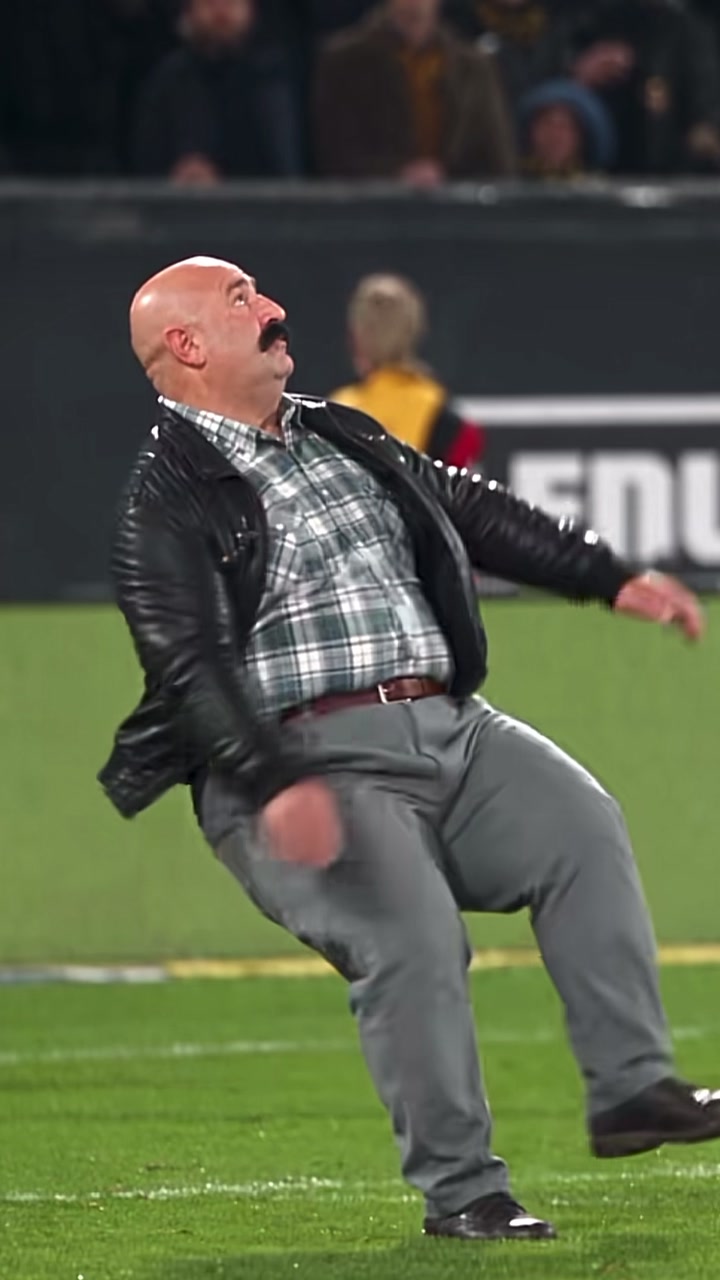
A swap: the original player top left, the same clip with a new person behind it.
Short answer
What app are people using for the AI videos?
There is no single app; each kind of AI video comes from a different one. Photos that dance are mostly Viggle or Kling Motion Control. Trend effects on a photo are CapCut AI templates, PixVerse or Revid. A face on a famous or movie clip is a face swap app such as Reface or Magic Hour. Realistic clips made from a sentence come from prompt tools such as the Gemini app or Kling. And a real clip where only the person is new, with the original sound, is a swap: oVideo’s Put Yourself In does that from one photo and a clip or its link.
- Look at the sound: untouched original sound usually means a swap
- Look at the background: a scene that looks filmed was filmed
- A short clip where everything looks invented is usually a prompt video
- Free tries mostly carry a watermark
Every app checked on its own site on November 12, 2026. oVideo limits and prices read from the app data the same day.
At a glance
Which app makes which video
The apps each kind of video comes from, by what their own sites say they do. Checked on November 12, 2026.
| The AI video you saw | Apps people use | What you need |
|---|---|---|
| A photo of someone dancing or moving like a clip | Viggle, Kling Motion Control | A photo and a motion clip; a new video is generated |
| A trend effect on your photo (hugs, glow ups, zooms) | CapCut AI effect templates, PixVerse, Revid | A photo, sometimes a video, and the template |
| Your face on a celebrity or movie clip | Reface, Magic Hour face swap | A photo and the clip; only the face changes |
| You as the whole person in a real TikTok or movie scene, sound kept | oVideo Put Yourself In, Higgsfield Recast | The clip (or its link on oVideo) and one photo, or up to 4 on oVideo Premium |
| Realistic clips from a prompt (Bigfoot vlogs, AI rap, talking animals) | Gemini app, Kling, PixVerse | A written prompt, one short clip at a time |
| A whole story or cartoon with the same characters | oVideo Story to Video | The story as text |
The details
Each kind of video, and its app
What app makes a photo dance like a TikTok?
Viggle and Kling Motion Control. Viggle says it swaps characters into video, one at a time, many at once or live, with a free plan of 5 credits a day and Pro from $7.99 a month; Pro and up remove the watermark. Kling Motion Control takes a still image and a motion reference video and copies the movement onto the image, one main subject per video. Both generate a new video, so the scene and often the sound are not the original ones.
What app makes the AI trend effects on photos?
Mostly CapCut: you choose an AI effect template, upload your photo or video and it builds the clip; CapCut says you can try it online for free, on desktop, web and mobile. PixVerse has templates in its web app and on the App Store and Google Play, and Revid has one photo effects such as a 15 second streetball dunk, with free credits for new accounts.
What app puts your face on videos?
Face swap apps. Reface calls itself the app to be anyone with face swap and AI avatars, on iOS and Android. Magic Hour’s video face swap gives 3 free video or GIF swaps a day without sign up, watermarked, with free previews up to 10 seconds. Only the face changes; the hair, the body and the clothes stay those of the person in the clip.
What app puts you in movie scenes or a real TikTok?
A character swap tool, which changes the whole person and keeps the scene. oVideo’s Put Yourself In takes a clip up to 60 seconds or a TikTok, Reels or Shorts link and one photo, swaps 3 to 15 seconds (up to 30 on Premium) and puts the original sound back in sync. Higgsfield Recast also replaces the whole character from a photo, with free daily credits. See put yourself in a movie scene.
What app makes the realistic AI videos, like Bigfoot vlogs and AI rap?
Prompt video tools, one short clip at a time. Google’s Gemini app now makes 10 second videos with sound on its Gemini Omni 1.1 Flash model, which replaced Veo 3.1, on a Google AI subscription for adults; Kling and PixVerse turn text or an image into video too. For a whole episode with the same character in every scene, the AI Bigfoot vlog generator page shows how oVideo’s Story to Video does it.
What app makes the AI dunk and backflip videos?
Two ways. Effect apps like Revid generate a new dunk or flip from your photo. oVideo has filmed dunk, backflip and skydive scenes where only the person changes, one photo each: see AI video of me dunking and AI video of me doing a backflip.
Can ChatGPT make them?
ChatGPT writes ideas and prompts, but the video comes from a video tool. The full answer is on can ChatGPT make a video of me.
Every app checked on its own site on November 12, 2026. oVideo limits and prices read from the app data the same day.
Where oVideo fits
What oVideo does, and what it does not
oVideo is our product, so read this part with that in mind. It does two of the six kinds of video above. Put Yourself In puts you, or someone who agreed, into a real clip from one photo: the whole person changes, the moves, the camera and the original sound stay. Story to Video turns a written story into a video with the same characters in every scene.
It does not make a photo dance into a new scene, apply trend effects to a photo, swap only a face, or invent a realistic clip from one sentence. It has no free swaps, and on your own clip Standard replaces one main person per video and Premium up to 4 people; duo and trio templates take up to 3 photos.
Put yourself in a video
Your files stay in your browser until you sign up. You pick the 3 to 15 seconds to use (up to 30 with Premium) and see the price before anything is made.
How to choose
Which one should you pick?
- 1You in a real TikTok, Reel or movie scene, sound kept: oVideo Put Yourself In, with the clip or its link and one photo.
- 2Two to four people in one of your own clips, or a part up to 30 seconds: oVideo Put Yourself In Premium, one photo per person.
- 3A free dancing meme, watermark is fine: Viggle.
- 4A trend effect on a photo: CapCut AI effect templates.
- 5Only your face on a clip, for a laugh: Reface or Magic Hour face swap.
- 6A brand new realistic clip from a sentence: the Gemini app, Kling or PixVerse.
- 7A whole story or cartoon with the same characters: oVideo Story to Video.
- 8A viral trend with friends, no clip needed: oVideo trend templates, one photo per person, up to 3.
What people search
The searches, answered
What Google suggests for this question, checked November 12, 2026.
- “what app are people using to make ai videos on tiktok”
- Mostly CapCut templates for trend effects, Viggle for dancing memes and swap tools for “me in this video” clips. If the clip is a real scene with someone new in it and the sound is untouched, it is a swap.
- “what app are people using to make ai videos free”
- Viggle has daily free credits with a watermark, Magic Hour 3 free face swaps a day with a watermark, CapCut lets you try AI effects online for free and Higgsfield gives daily free credits. oVideo has no free swaps.
- “what app are people using to make the ai rap videos”
- Two kinds: a rapper generated from a prompt (a prompt video tool), or real rap footage with new people in it. The second is a swap; on oVideo the Hotel Lobby rap duo template takes one photo per rapper, and Premium swaps up to 4 people in rap footage you may use.
- “what app are people using to make the ai bigfoot videos”
- Bigfoot vlogs are generated from prompts, one short clip at a time, then joined. oVideo’s Story to Video makes the whole vlog from the written episode, with the same creature in every scene.
- “what is the app that puts your face on celebrity videos”
- Face swap apps such as Reface and Magic Hour put a face on an existing clip. oVideo does not swap only the face: it puts you, or someone who agreed, into clips you may use.
- “app that puts you in movie scenes”
- For your whole look in a scene with the original sound, Put Yourself In: bring the scene you may use, pick 3 to 15 seconds (up to 30 with Premium) and add one photo. For just your face, a face swap app.
Facts
Put Yourself In on oVideo: limits and price
- Input
- Your own clip (upload it or paste a TikTok, Instagram Reels or YouTube Shorts link) and one photo of the person to put in. Premium on your own clip: up to 4 people, one photo each, with a short prompt that says who becomes who. Viral templates: one photo per person, up to 3 people
- Clip length
- Upload or import up to 60 seconds and 200 MB, then swap any 3 to 15 seconds on Standard, or 3 to 30 seconds on Premium
- People per video
- Standard: the main person, from one photo. Premium: up to 4 people, one photo each (Person 1 to Person 4), placed by a short prompt. Duo and trio templates: 2 or 3
- Resolution
- 720p or 1080p, in the shape of your clip (vertical or landscape)
- Sound
- The original audio is added back automatically, in sync. No editing needed
- What changes
- Face, hair, body and outfit, all taken from your photo
- What stays
- Every move, the camera, the background and the timing
- Price
- Standard: 19 credits per second at 720p, 26 at 1080p. Premium: 29 at 720p, 43 at 1080p. Shown before you create; failed videos are refunded
- Premium
- 3 to 30 seconds, up to 4 people, an optional prompt that says who becomes who, original sound kept. 29 credits per second at 720p, 43 at 1080p; a 15 second Premium swap at 720p is 435 credits
- Cost in dollars
- Plans start at $7.50 a month billed yearly ($10 monthly) for 400 credits. A 15 second swap at 720p (285 credits) costs about $3.66 to $7.13 depending on the plan and billing; a 30 second Premium swap at 720p is 870 credits
- Free plan
- The free plan has no swaps; Put Yourself In uses credits from a paid plan
- Watermark
- None. The finished video downloads without a watermark
Related guides
- Can ChatGPT make a video of me?No, but a clip and one photo can. No prompt needed.
- Best face swap video appsSix face swap tools for video, compared.
- Best AI character swap toolsNine swap tools, ordered by what each is best for.
- Best AI motion transfer appsKling Motion Control, Viggle, Krea and more.
- AI video trends, November 2026What is viral this month and how to make each one.
- Put yourself in a movie scenePlay the lead in a scene you may use, sound kept.
- AI Bigfoot vlog generatorA talking Bigfoot vlog from a written episode.
- Put yourself in a TikTokCopy the TikTok link, paste it and add one photo.
Sources, checked November 12, 2026
Answers
Frequently asked questions
- What app are people using for the AI videos?
- It depends on the video. Dancing photos are mostly Viggle or Kling Motion Control, trend effects CapCut templates, a face on a famous clip Reface or Magic Hour, realistic clips from a prompt the Gemini app or Kling, and a real clip with a new person in it and the sound kept a swap tool such as oVideo’s Put Yourself In.
- What app is everyone using for AI videos on TikTok?
- There is no single app. CapCut AI effect templates and Viggle are behind many trend and dance clips; the “me in this exact video” posts come from swap tools that keep the real clip, such as oVideo or Higgsfield Recast.
- What app puts your face on videos?
- Face swap apps like Reface and Magic Hour change only the face. oVideo’s Put Yourself In replaces the whole person, face, hair, build and outfit, from one photo, and keeps the moves, the camera and the sound of the clip.
- What app puts you in movie scenes?
- oVideo’s Put Yourself In: upload a scene you may use or paste a TikTok, Reels or Shorts link, pick 3 to 15 seconds (up to 30 with Premium) and add one photo. You get the scene with you in the lead role and the original sound, in about 10 minutes.
- What app makes the realistic AI videos?
- Clips invented from a sentence come from prompt video tools. Google’s Gemini app makes 10 second videos with sound on a Google AI subscription; Kling and PixVerse also turn text or an image into video. If the scene looks filmed because it was, and only the person is new, it is a swap.
- Is there a free app for AI videos?
- Several have free tries: Viggle’s daily free credits, Magic Hour’s 3 free face swaps a day, CapCut’s free AI effects online and Higgsfield’s daily credits, usually with a watermark or limits. oVideo has no free swaps; plans start at $10 a month.
- Which app should I use to put myself in a video?
- If you want a real clip with you in it and the sound kept, oVideo’s Put Yourself In: one photo, a clip up to 60 seconds or a link, 3 to 15 seconds swapped (up to 30 and up to 4 people on Premium), 720p or 1080p. If you want a free meme with a watermark, Viggle.
- Can ChatGPT make these AI videos?
- ChatGPT can write the idea or the prompt, but it does not make the video. You take the prompt to a video tool, or skip it: a swap tool needs only the clip and your photo.
- How much does oVideo cost?
- Put Yourself In costs 19 credits per second at 720p and 26 at 1080p, so 15 seconds is 285 credits at 720p; Premium is 29 at 720p and 43 at 1080p. Plans start at $10 a month for 400 credits, $7.50 billed yearly. A failed video is refunded.
- Can I put two people in one video?
- On oVideo, yes. Premium on your own clip or a pasted link takes up to 4 people, one photo each, placed by a short prompt that says who becomes who; duo and trio templates take one photo per person, up to 3. Standard replaces one main person per video.
- Is it allowed to use someone else’s face?
- Only with their OK. On oVideo you confirm that before every video. Label realistic AI video when you post it.
Your photo, your video
- Used only for your videoYour photo and clip go only to the AI that makes your video, and they are kept in your account.
- Private until you share itThe finished video waits in your gallery; nothing is posted for you unless you choose to publish it.
- Deleted when you askEmail support@ovideo.io and your uploads and videos are deleted within 30 days.
- Only people who said yesUse photos of yourself or of people who agreed, and turn on the AI label when you post.
Details in the privacy policy. How it works: Put Yourself In help and what credits cost.
Related
- AI character swap videoPut yourself in any video from one photo, sound kept.
- Video face swapSwap your face into a clip online with one photo.
- AI dance generatorDance any viral dance from one photo, solo or with friends.
- Put yourself in a football videoScore the goal or take over your own match clip from one photo.
- Özil goal AI trendBe the scorer of the viral solo goal from one photo.
- Best apps for the Özil goal trendEight tools that do the trend, checked November 2026.
- Best AI dance video appsSeven photo to dance tools, checked November 2026.
- Best Christmas video appsSix apps for funny Christmas videos with your face.
- AI trend videosJoin viral trends with one photo per person.
- AI face swap videoPut your face into any clip with one photo.
- AI body swapSwap your whole look, build and outfit into a video.
- AI character swapReplace anyone in a video with someone new.
- AI dance videoMake yourself dance from one photo.
- Make a photo move like a videoYour photo copies the moves of any clip.
- Recreate a video with yourselfRemake any clip with you in the main role.
- Swap yourself in from a linkPaste a TikTok, Reel or YouTube Short and add one photo.
- Put yourself in a TikTokCopy the TikTok link, paste it and add one photo.
- Put yourself in an Instagram ReelPaste a Reel or video post link and add one photo.
- Put yourself in a YouTube ShortPaste a Shorts link, or a video up to 3 minutes.
- Put yourself in a music videoBecome the singer, rapper or dancer, with the song kept.
- AI face swapSwap faces in any photo, hair included.
- AI head swapSwap the whole head in a photo, not just the face.
- Multiple face swap videoSwap two or three people into one clip.
- AI pet swapSwap your own dog or cat into a viral pet clip.
- AI video trendsReady made viral templates for one or two people.
- Viggle AI alternativesFive swap tools compared, prices checked October 2026.
- Higgsfield alternativesFive tools for viral templates and swaps, prices checked October 2026.
- PixVerse alternativesFive tools for viral templates, swaps and dance videos, checked October 2026.
- Best AI character swap toolsNine swap tools, ordered by what each is best for.
- Best face swap video appsSix face swap tools for video, compared October 2026.
- Best AI body swap appsFive whole body swap apps for dance trends and duos, compared November 2026.
- Best face swap appsSeven face swap tools for photos, compared October 2026.
- Best AI pet dance appsSix tools that make a dog or cat dance, compared October 2026.
- Put yourself in a movie scenePlay the lead in a scene you may use, sound kept.
- AI Santa videoBecome Santa in a Christmas clip from one photo.
- Why does my face swap look wrong?Causes and fixes for blurry, wrong person or out of sync swaps.
- Magic Hour alternativesFive swap tools compared, checked November 2026.
- AI character swap statistics 2026How people really use swaps, from our own data.
- Elf Yourself alternativesSeven elf dance tools with your face, checked November 2026.
- How to elf yourselfThe app, a real looking AI elf, or your own elf clip.
- Put yourself in a Christmas moviePlay the lead in a Christmas scene you may use, sound kept.
- AI Christmas video ideas28 ideas for TikTok, Reels and Shorts, each with how to make it.
- Enzo Fernández celebration AI trendDo the hands behind the ears celebration with your own face.
- Tip Toeing in My Jordans AI trendBe the tiptoeing dancer from the viral barn clip.
- AI stadium fan cam trendBe the fan the big screen camera finds, crowd kept.
- Best AI motion transfer appsKling Motion Control, Viggle, Krea and more, vs a real clip swap.
- Reface alternativesSix face swap apps compared, plus FaceApp vs Reface.
- AI video trends this monthWhat is viral in November 2026 and how to make each one.
- Kling AI alternativesKling and Kling Motion Control alternatives, compared.
- How to replace a person in a videoCharacter replacement step by step, from one photo, sound kept.
- Can ChatGPT make a video of me?No, but a clip and one photo can. No prompt needed.
- Bad Times AI trendDo the kitchen argument with your own face, song kept.
- Damon Salvatore AI trendWalk into the church scene as you, from one photo.
- Burning Bridges AI trendRaise the silver cup under the chandeliers as you.
- Hit the Road Dude AI trendBe the driver in the pickup truck meme, lines kept.
- CapCut AI template alternativeTemplate stuck at 99%? Do the trend from the trend clip itself.
- Storm AI trendStand still in the middle while the whole crowd moves, sound kept.
- Turn the Lights Off AI trendDance alone under the blue club light as you, song kept.
- NYC subway AI trendPose on the platform while the train rushes past, from one photo.
- Gas Station Dance AI trendStep out of the car and dance by the pumps as you, sound kept.
- Marlon AI trendTalk to the camera on the night street as you, from one photo.
- Put yourself in GTA 6Be the character in a GTA clip, or make a GTA 6 picture of you.
- Put your face in the GTA 6 trailerYour whole look in one trailer shot, music kept.
- Raindance AI trendSing by the water in the duet trend as you, song kept.
- Bollywood AI videoPut yourself in a Bollywood song clip, music kept.
- AI video of me dunkingMake the dunk from one photo, crowd sound kept.
- AI video of me doing a backflipFlip on a plane wing or skydive from one photo.
- 30 second face swap videoSwap up to 30 seconds of your clip with Premium, sound kept.
- AI video of me and my friendsUp to 4 of you in one clip for up to 30 seconds, sound kept.
- How to put yourself in a videoThe free overlay way and the AI way: one photo into any clip, sound kept.
- How to put yourself in a video twiceYour photo in two to four slots, up to 30 seconds.
- Put yourself in a Sora videoSora cameos are gone; do the same job from one photo, friends too.
- Put yourself in a video gameYou in a gameplay or trailer clip, or a game style picture of you.
- Face swap video promptCopy and paste who becomes who prompts for Premium.
- AI couple dance videoYou and your partner in a duo dance, song kept.
- How to make an AI video of yourselfFive ways from one photo: a real clip, a template, a talking photo or a story.
- AI hug video generatorTwo people in a real hug clip, from two photos.
- AI video of a deceased loved oneAnimate their photo, a hug with a stand in, or their story narrated. No voice cloning.
- Hug your younger self AI videoYou today and you as a child, in one hug clip.
Put yourself in the video you saw
Upload the clip or paste the link, add one photo, and get it back with you in it and the sound kept, in about 10 minutes.