AI Models

AI video models compared — pick the right engine for every projectVeo 3.1, Kling Pro, and beyond — all in one platform.

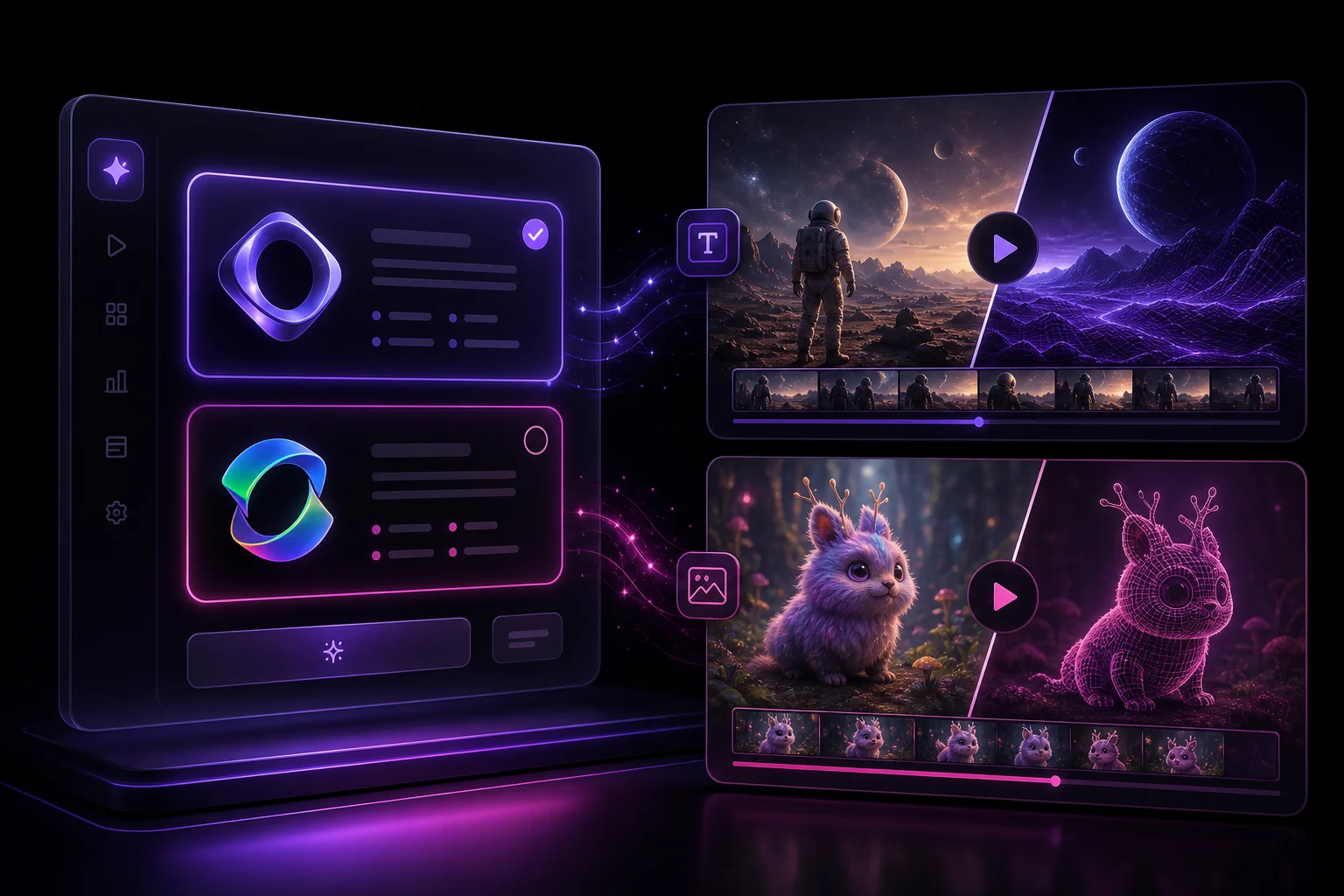
oVideo gives you access to multiple state-of-the-art video generation models from a single interface. Generate text-to-video with Veo 3.1, animate images with Kling v3 Pro or 4K, and switch models per project without managing API keys or separate subscriptions.

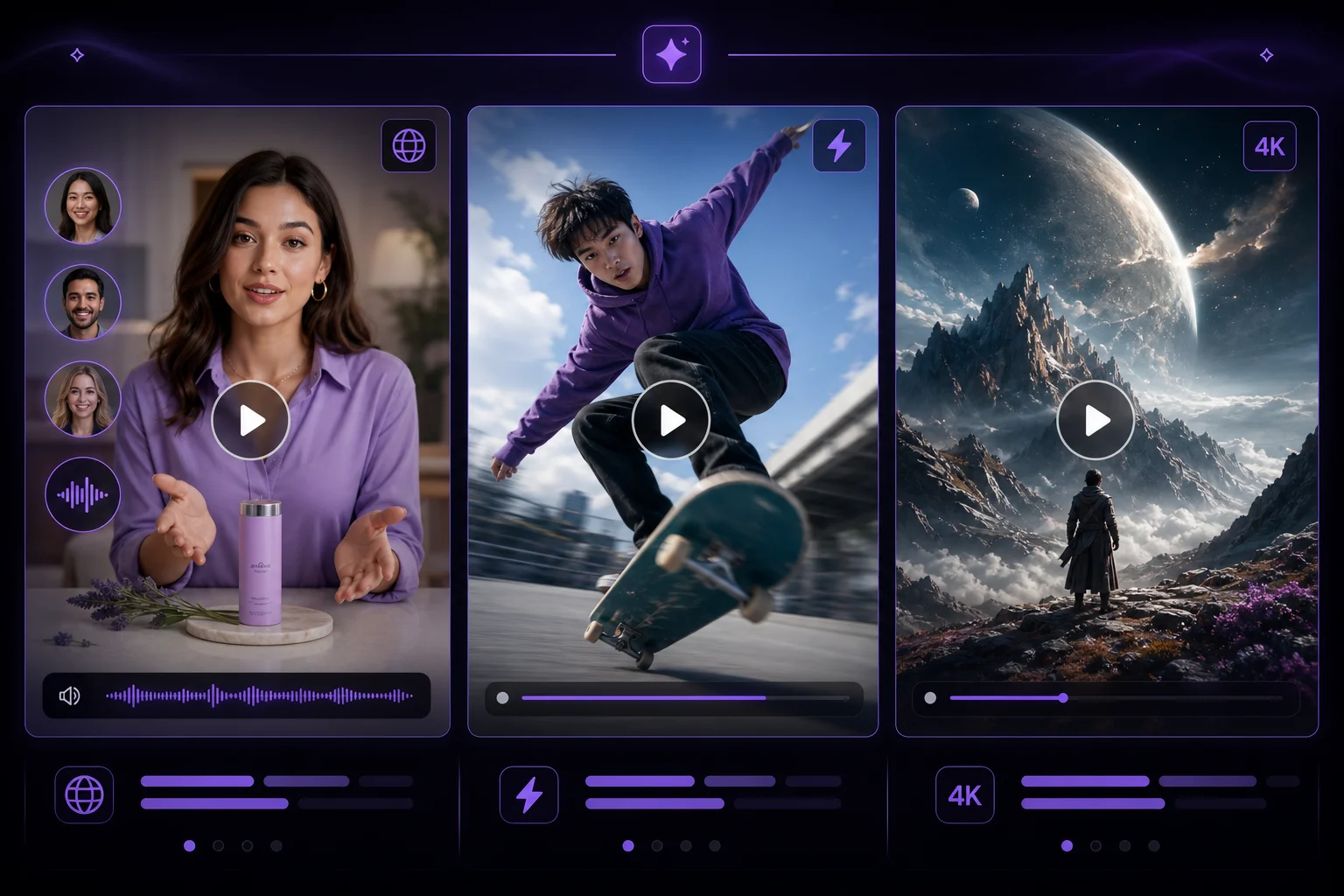
Google Veo 3.1 text-to-videoKling v3 Pro image-to-videoKling v3 4K ultra-high-resOne platform, all models

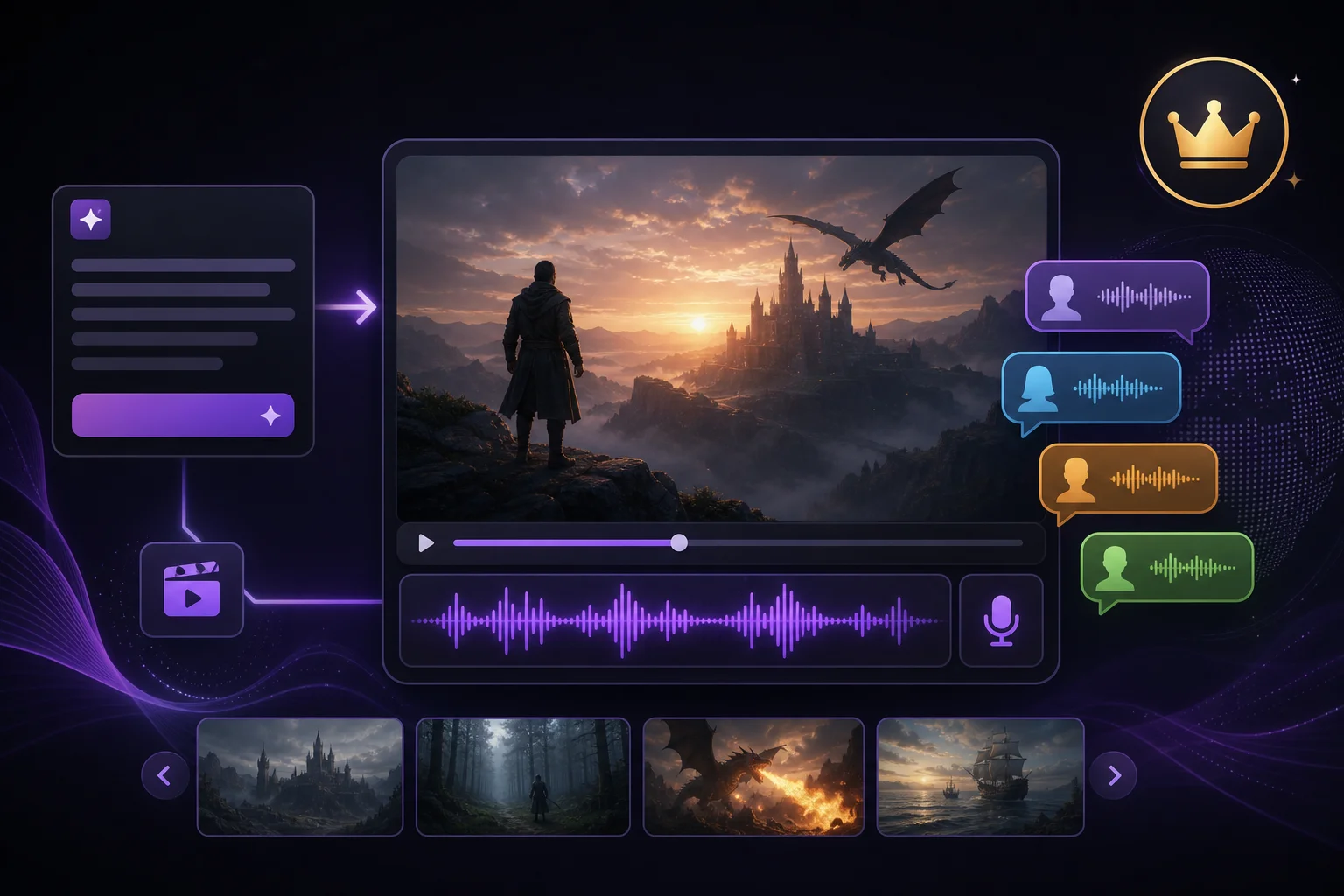
Google Veo 3.1 — premium multilingual video

Veo 3.1 generates video with built-in natural audio, accurate multilingual speech, and cinematic motion. Best for Turkish, Arabic, Korean, Japanese, and other languages where pronunciation accuracy matters.
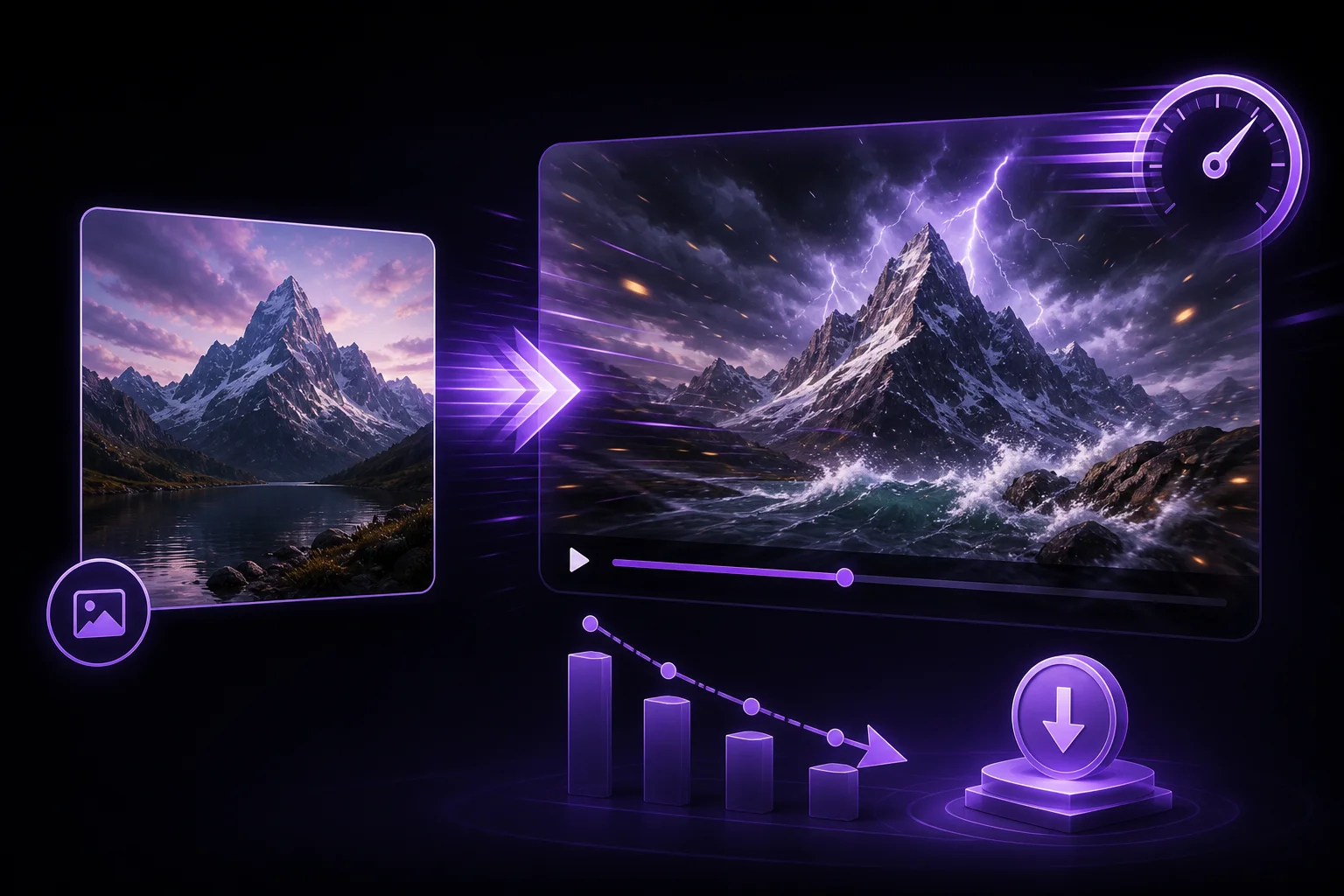
Kling v3 Pro — fast and cost-effective

Kling Pro is ~58% cheaper than Veo and delivers excellent results for English, Spanish, German, and French content. Ideal for high-volume production where cost per clip matters.

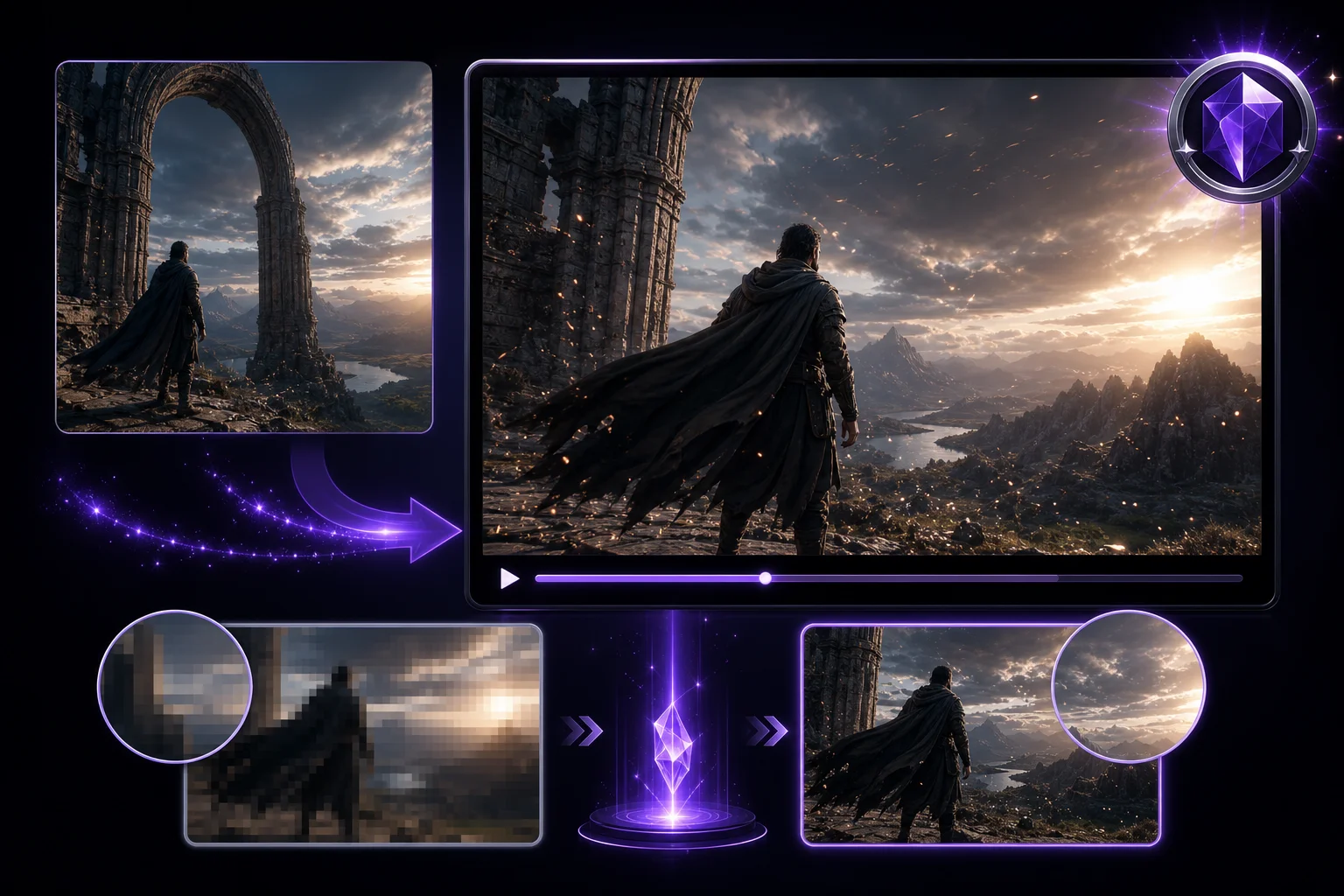
Kling v3 4K — ultra-high resolution

When you need 4K output for large screens or premium content, Kling 4K delivers the highest resolution video generation available, with the same image-to-video quality as Pro.

How to choose the right AI video model

Different models excel at different tasks. Here's how to pick the right one for each project.

publish faster
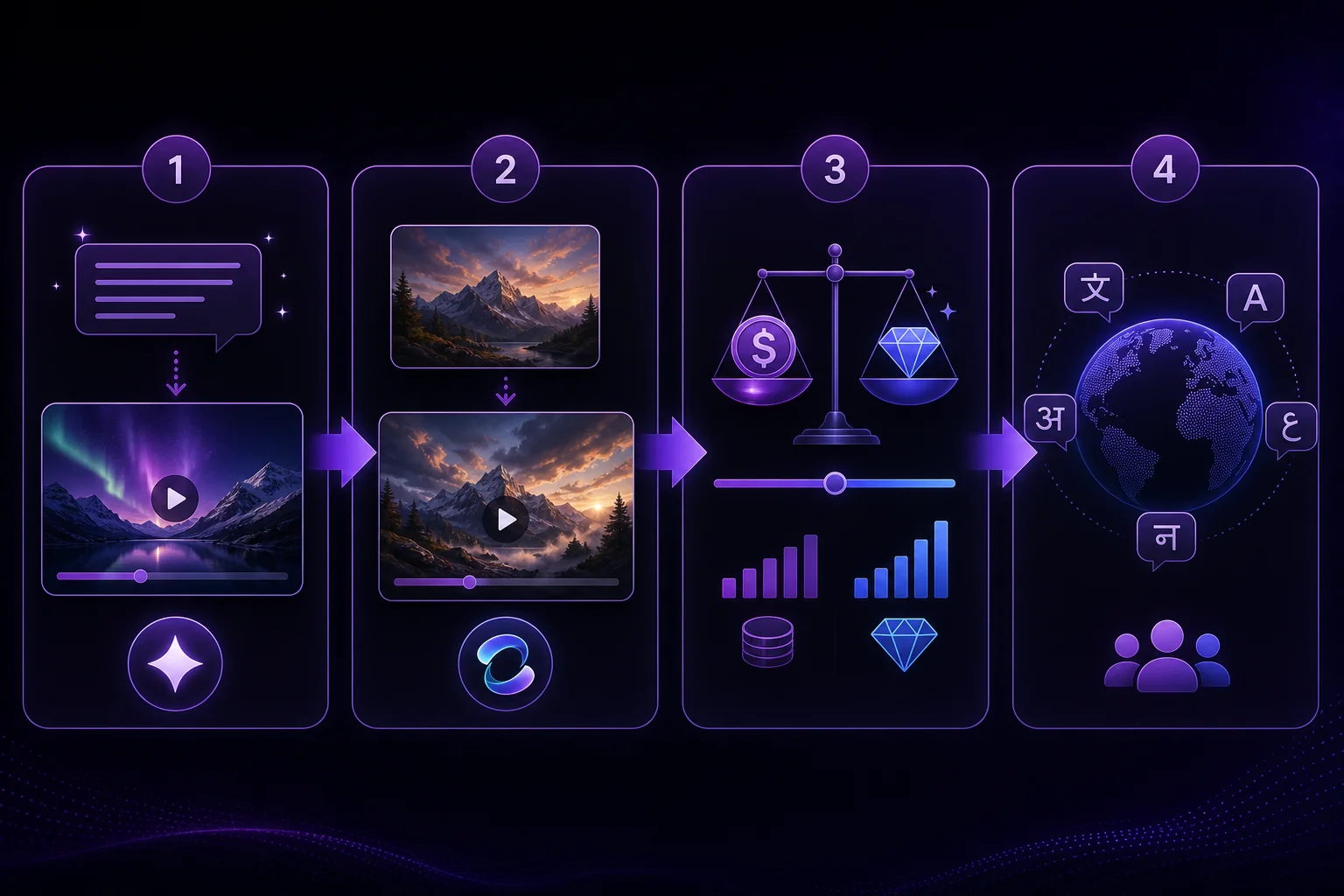
  1. 1

    For text-to-video with natural audio: choose Google Veo 3.1 — it generates speech and sound directly in the video.

  2. 2

    For image-to-video animation: choose Kling v3 Pro — it turns still images into motion with excellent quality and speed.

  3. 3

    For budget-conscious production: Kling Pro costs ~58% less per second than Veo while maintaining strong visual quality.

  4. 4

    For non-English languages: Veo 3.1 handles Turkish, Arabic, Korean, and Japanese pronunciation where Kling struggles.

Which model for which workflow

Match the model to the job and optimize for quality, cost, or both.

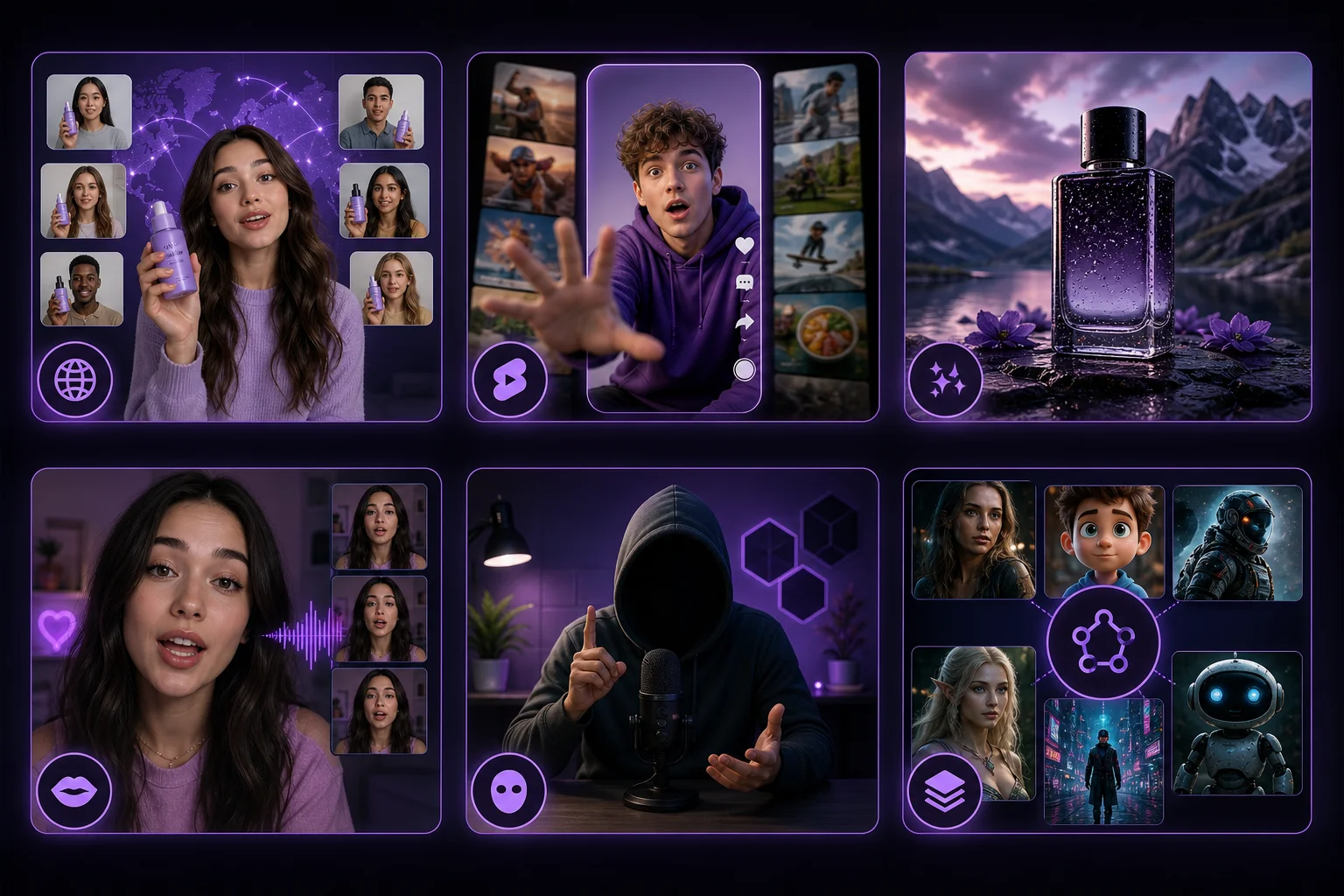
Veo 3.1 for multilingual social ads with built-in audio
Kling Pro for daily YouTube Shorts and TikTok production
Kling 4K for premium brand content and presentations
Veo for UGC videos requiring accurate lip-sync in any language
Kling Pro for high-volume faceless channel content
Mixed model strategy: Veo for hero content, Kling for variations

Related guides

Frequently asked questions

What AI video models does oVideo support?
oVideo currently supports Google Veo 3.1 (text-to-video with audio), Kling v3 Pro (image-to-video), and Kling v3 4K (ultra-high-res image-to-video). New models are added regularly as the technology evolves.
What is the difference between Veo and Kling?
Veo 3.1 generates video from text with built-in natural audio and excels at multilingual content. Kling Pro animates still images into video and is ~58% cheaper. Choose based on your input (text vs image) and language needs.
Can I switch models between projects?
Yes. Each project lets you select a different model. You can even mix models within the UGC Factory — using Veo for talking-head angles and Kling for product shots.
Do I need separate API keys for each model?
No. oVideo manages all model access through a single platform. You just pick the model from a dropdown — no API keys, no separate billing, no technical setup.
Which model is cheapest?
Kling v3 Pro is the most cost-effective option, roughly 58% cheaper per second than Veo 3.1. For high-volume production, Kling Pro is the recommended default.