vs InVideo

oVideo vs InVideo — which AI video generator should you use in 2026?Both make videos. Only one is built for speed.

oVideo and InVideo both generate videos from text — but they take very different approaches. This comparison covers workflow speed, output quality, pricing, voiceover quality, caption generation, and which tool wins for short-form social video production.

Side-by-side feature and pricing comparisonWhich tool is faster for daily social video productionHonest strengths and weaknesses of each platform

oVideo: built for 3-minute short-form production

oVideo's workflow is optimized for one goal: getting from script to published 9:16 video in under 3 minutes. Every design decision — voice selection, scene matching, caption sync — is tuned for this speed.

InVideo: template-heavy, more manual control

InVideo offers hundreds of templates and a more traditional drag-and-drop editing experience. This gives more control but requires more time per video — the trade-off most users find frustrating for daily content.

Pricing: oVideo costs less for high-volume production

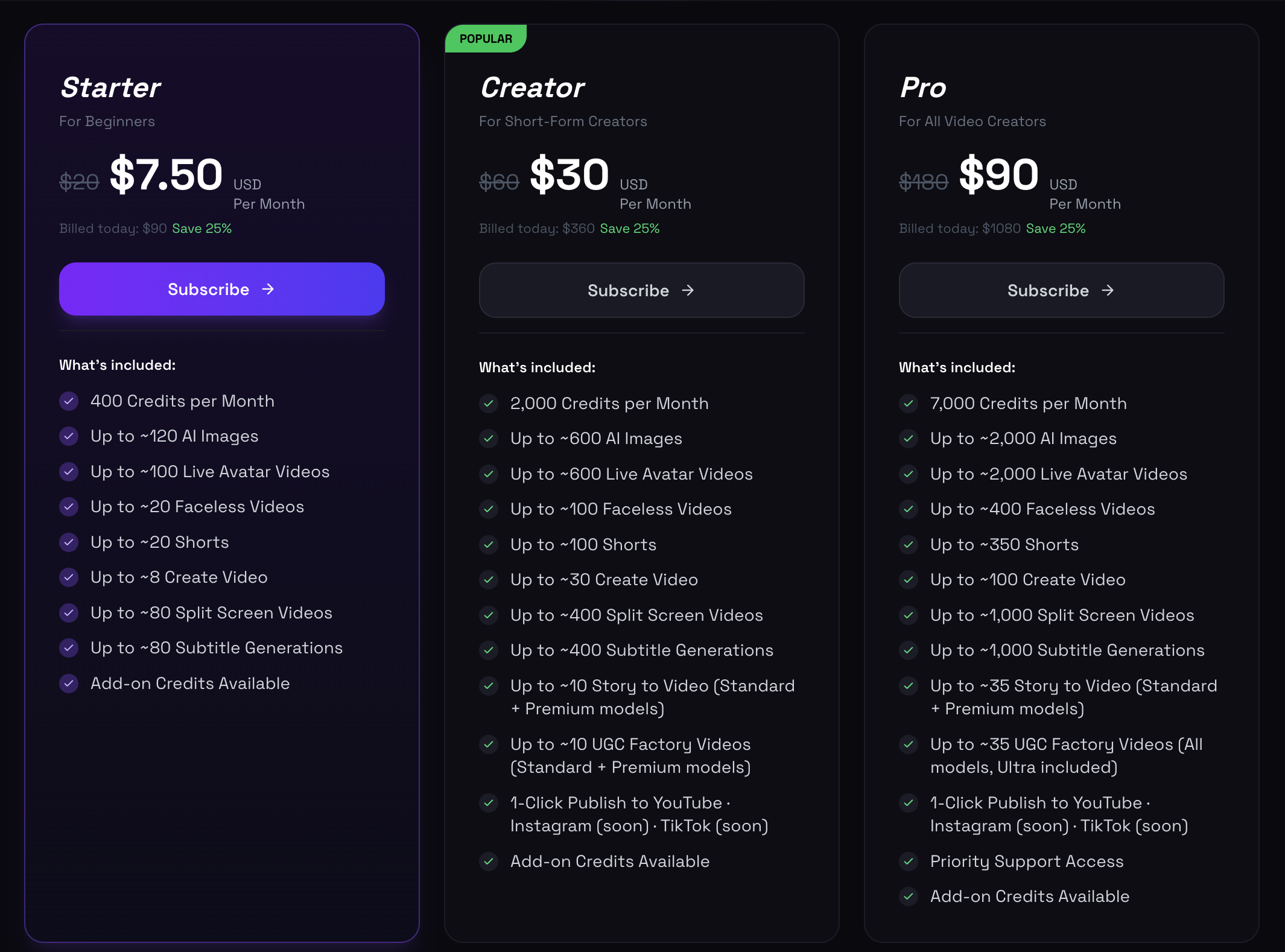
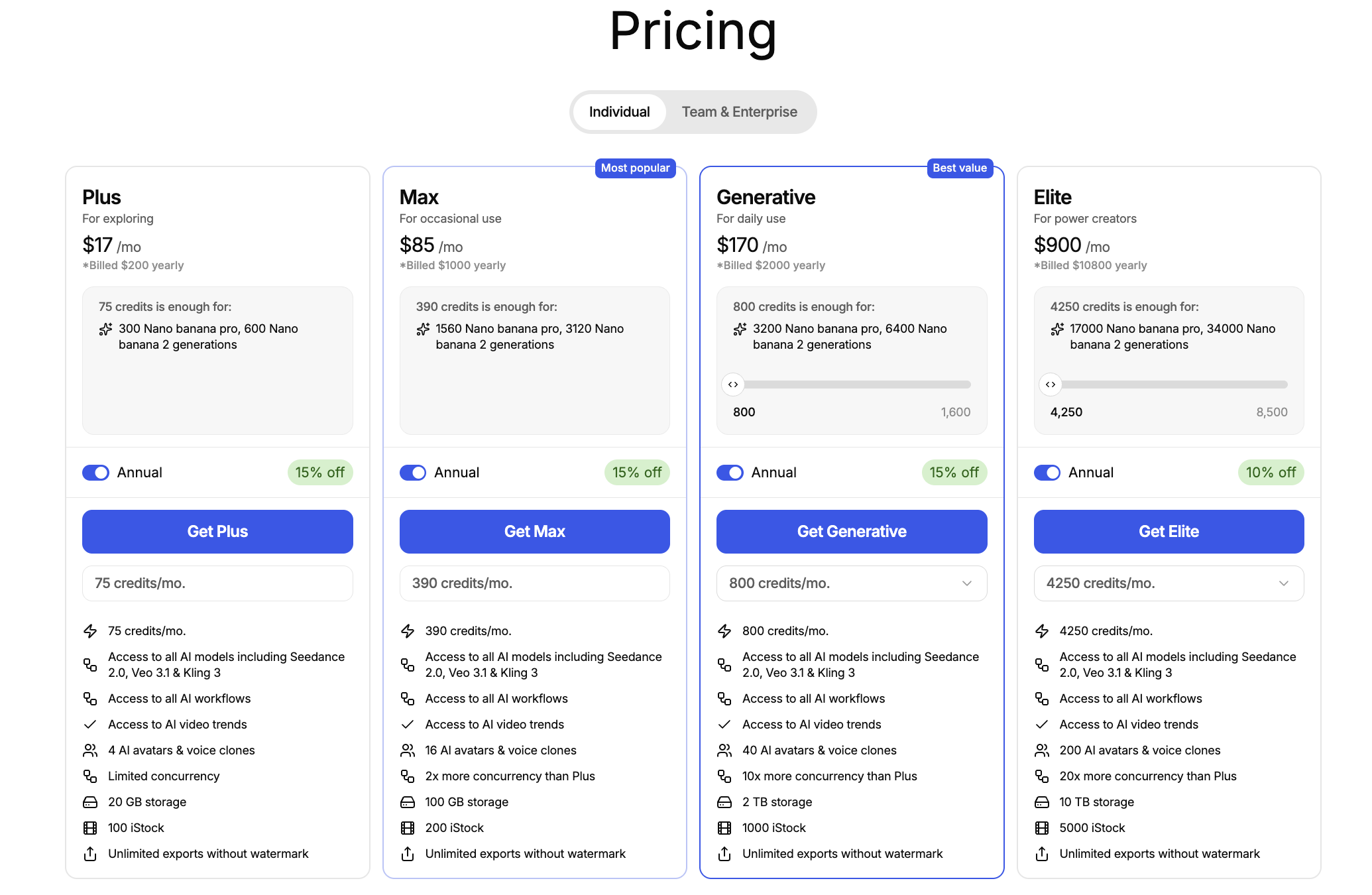
InVideo's AI plan starts at $20/month for 50 AI video exports. oVideo's Creator plan delivers approximately 100 videos at $29/month. For creators who post daily, oVideo's per-video cost is significantly lower.

oVideo vs InVideo — feature-by-feature

The categories that matter most for short-form social video creators.

publish faster
  1. 1

    Speed: oVideo generates a complete Short in 90 seconds. InVideo requires template selection, scene editing, and manual voiceover attachment — typically 15–30 minutes per video.

  2. 2

    Voiceover: oVideo includes 35+ AI voices with natural pacing built into the generation step. InVideo's AI voice requires separate configuration and often needs pacing adjustment.

  3. 3

    Captions: oVideo auto-generates and syncs captions in the same generation step. InVideo requires a separate caption upload or manual captioning.

  4. 4

    Formats: Both support 9:16 export. oVideo defaults to short-form social optimization. InVideo's templates span more format types including presentations and marketing videos.

  5. 5

    Price per video: oVideo ~$0.29/video on Creator plan. InVideo AI ~$0.40/video on Plus plan. At 100 videos/month, oVideo saves approximately $11/month.

Who should choose oVideo over InVideo

The creator and business profiles where oVideo wins.

Creators who post daily to TikTok, Reels, or Shorts
Faceless channel operators who need 3-minute production
Marketing teams that need campaign video in hours not days
Agencies producing high-volume short-form client content
Educators producing regular course and tutorial clips
Solopreneurs who need fast, consistent video without editors

Related guides

Frequently asked questions

Is oVideo or InVideo better for beginners?
oVideo is better for beginners who want fast results — write a script, click generate, done. InVideo has more options but the template and editing interface has a steeper learning curve for new video creators.
Does InVideo have better video quality than oVideo?
Both export in 1080p HD. InVideo's template-based outputs can look more polished for certain formats. oVideo's AI-matched footage is consistently appropriate for the script content, which matters more for performance than visual polish.
Is InVideo cheaper than oVideo?
At low volume (under 20 videos/month), InVideo's $20 plan is comparable. At high volume (50–100+ videos/month), oVideo's credit system is more cost-effective per video produced.
Can I switch from InVideo to oVideo without losing my content?
Yes. Your scripts and content belong to you. Export your existing videos from InVideo and continue creating new videos in oVideo. Most creators migrate their workflow within a single week.
Which is better for YouTube Shorts — oVideo or InVideo?
oVideo. The 9:16 Shorts workflow in oVideo is optimized by default — hook-first pacing, auto-captions, and 1-click YouTube publishing. InVideo requires more manual configuration to achieve the same result.